
5 Silent Time Thieves & How You Can Race Triathlon Faster
We all share the same desire: to race triathlon faster.
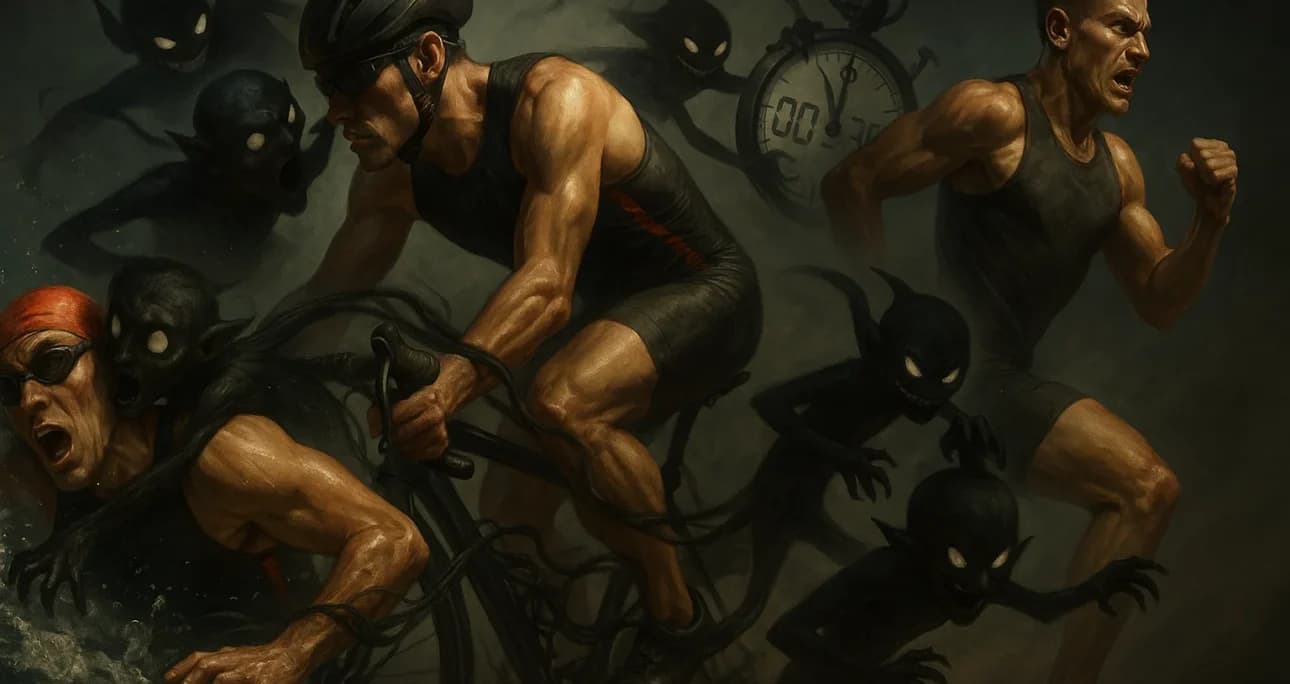
We spend months sweating on the run course, on the bike, and in open water. But sometimes, the biggest enemy of performance isn’t fitness—it’s the silent “time thieves” hiding inside our own race strategy.
Below are 5 familiar scenes that Gopeaks has repeatedly observed—moments where just a small shift in mindset can help you reclaim precious minutes.
Scene 1: Chaos in Open Water
(Mistake #1: Panic during the swim)
The scene:
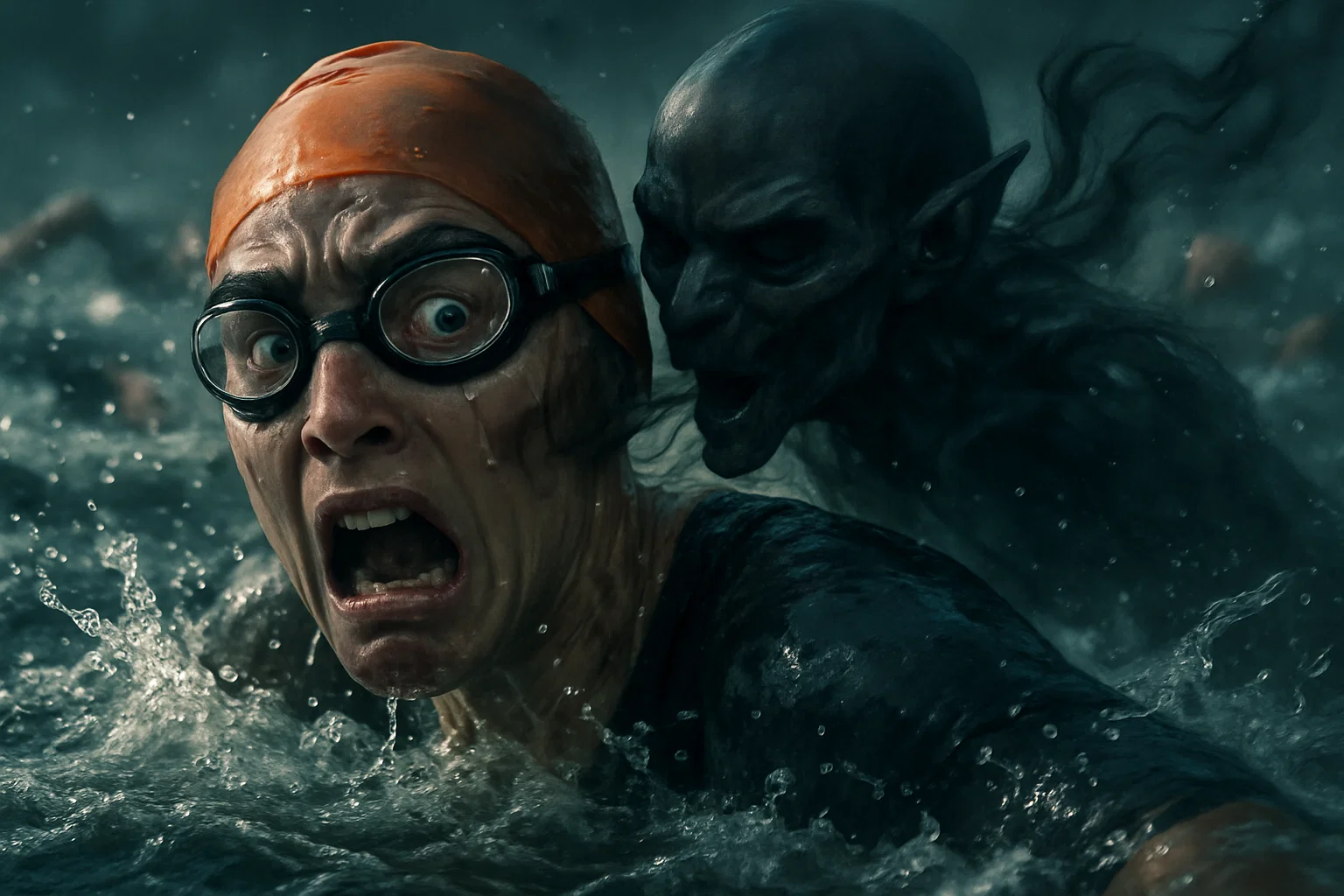
The gun goes off. Hundreds of arms churn the water. You dive in, and chaos hits instantly. Water splashes your face, unexpected contact happens, and the calm breathing you practiced in the pool suddenly disappears. Your heart rate spikes, your breathing becomes shallow and frantic. You’ve only swum 200 meters, but it already feels like exhaustion.
This is the “nightmare” for many athletes. The problem isn’t swim technique—it’s psychology.
The Gopeaks solution – Your inner compass:
As Coach Phạm Thúy Vi emphasizes, we don’t just teach you how to pull water. We equip you with an inner compass.
Self-calming: Through breathing drills and race visualization, you learn to stay calm in the eye of the storm.
Race simulation: Group swim sessions are designed to familiarize you with contact and chaos, turning fear into familiarity.
Smart sighting: We train you to integrate sighting naturally into your breathing rhythm so you stay on course without breaking flow.
Scene 2: The Unwanted “Zig-Zag” Tour
(Mistake #2: Swimming off course)
The scene:
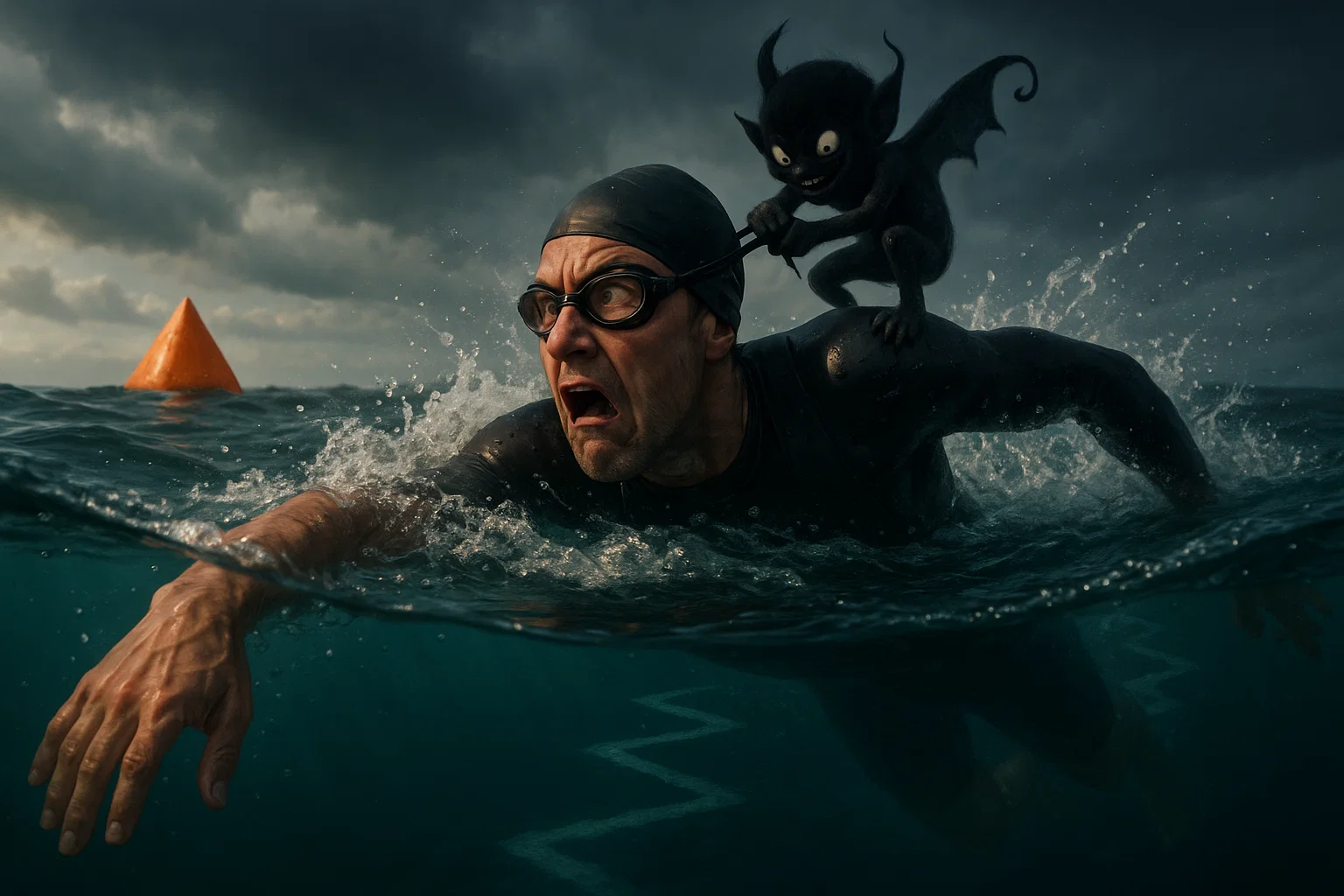
You exit the swim and glance at your watch in disbelief. The distance should be 1.9 km, but your watch shows 2.1 km. A “time thief” has just stolen 200 meters from you—equal to at least 2–4 irreplaceable minutes.
According to Gopeaks data, over 60% of age-group athletes fall victim to this thief, mainly due to crossing the arms over the body’s midline (crossover arm).
The Gopeaks solution – Redrawing your straight line:
We use technology to expose the culprit.
4-angle video analysis: We record and analyze every underwater movement, pinpointing exactly when your arm “drifts.”
Targeted drills: Snorkel-based drills help you focus 100% on maintaining a straight arm path.
Habit building: Training you to sight every 6–8 strokes ensures your “boat” stays aimed directly at the buoy.
Scene 3: The Gamble of the “Big Gear Rider”
(Mistake #3: Incorrect gear usage on the bike)
The scene:
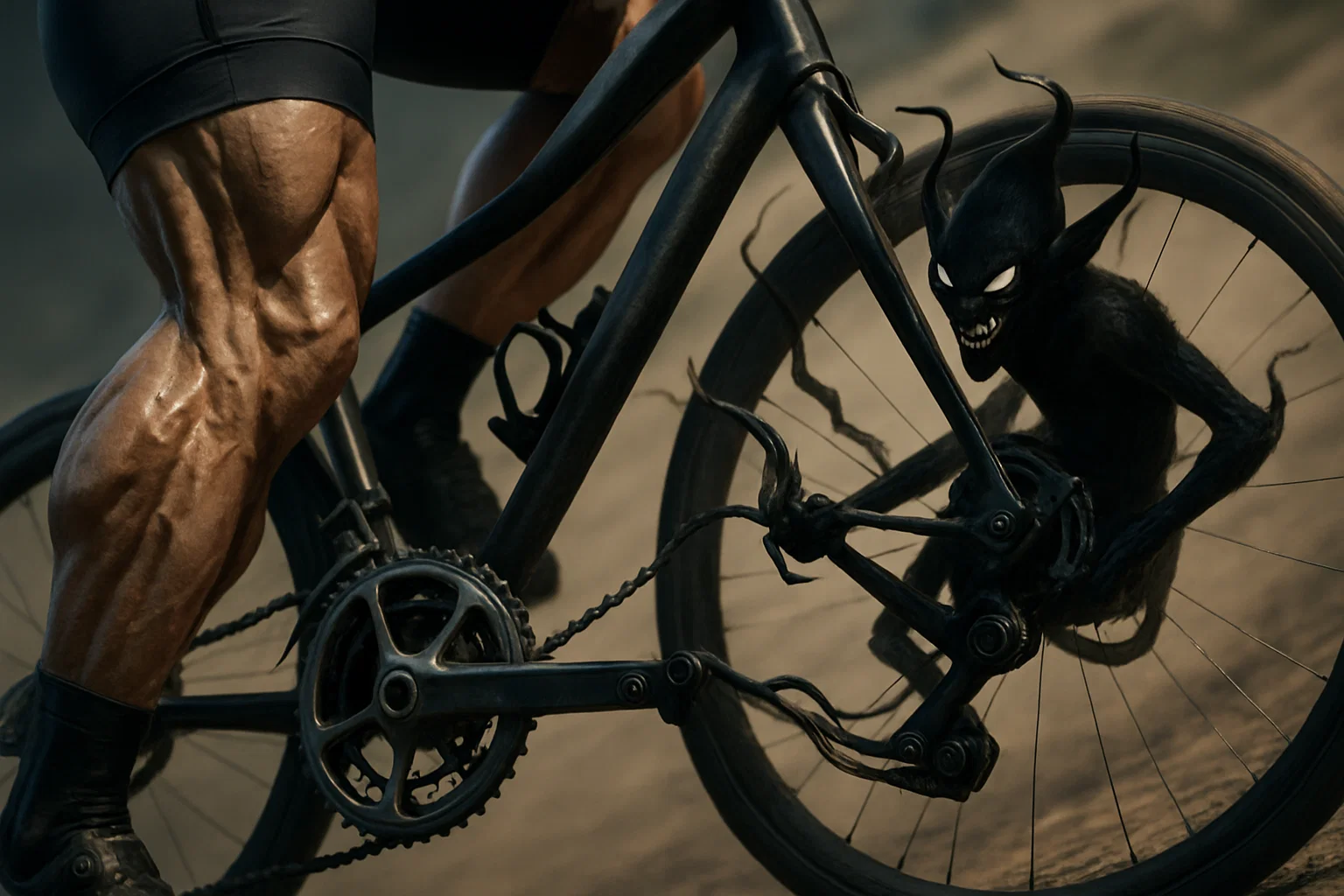
You’re on the bike, sitting in with a group and feeling the need to “push big gears” to keep up. You believe grinding a heavy gear at low cadence equals strength. You finish the bike leg feeling proud—but your legs feel like concrete. The run turns into a painful shuffle.
You won a small gamble, but lost the entire game.
The Gopeaks solution – Teaching the art of smooth cycling:
Finding your golden cadence: We help you identify the ideal cadence for each terrain (75–85 uphill, 90–100 on flats) to maximize efficiency and save muscle.
Anticipatory shifting: Learning to shift into easier gears before the climb, not after your legs are already overloaded.
Training by power & feel: You learn to respect power zones and RPE, preserving valuable “fuel” for the run.
Scene 4: “Break Time” in Transition
(Mistake #4: Slow transitions)
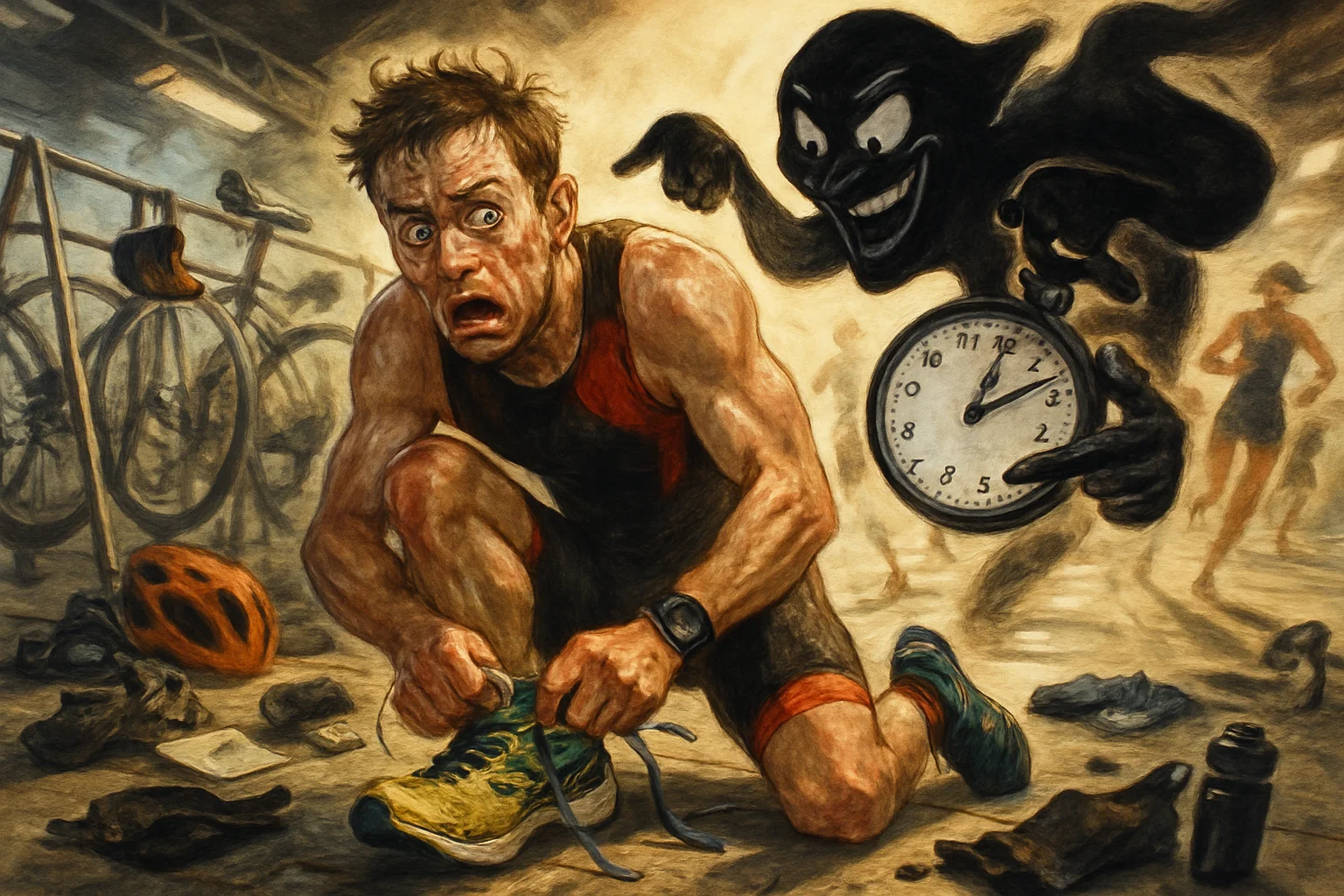
The scene:
You jog casually into transition (T1/T2), search for your bike, sit down to remove shoes, put on socks, slowly fasten your helmet and bib. It feels like a coffee break. Meanwhile, your competitors handle everything on the move—quick and precise like an F1 pit crew.
The 60 seconds you lose here are just as valuable as 60 seconds gained on the course.
The Gopeaks solution – Turning transitions into the fourth discipline:
We turn chaos into a practiced dance.
Multitasking training: Practicing sequences like stripping your wetsuit while running, or combining bib-on–helmet-on–glasses-grab in seconds.
Advanced techniques: For experienced athletes, we coach elite skills like flying mount/dismount.
Scene 5: The Rabbit and… the Zombie
(Mistake #5: Starting the run too fast)
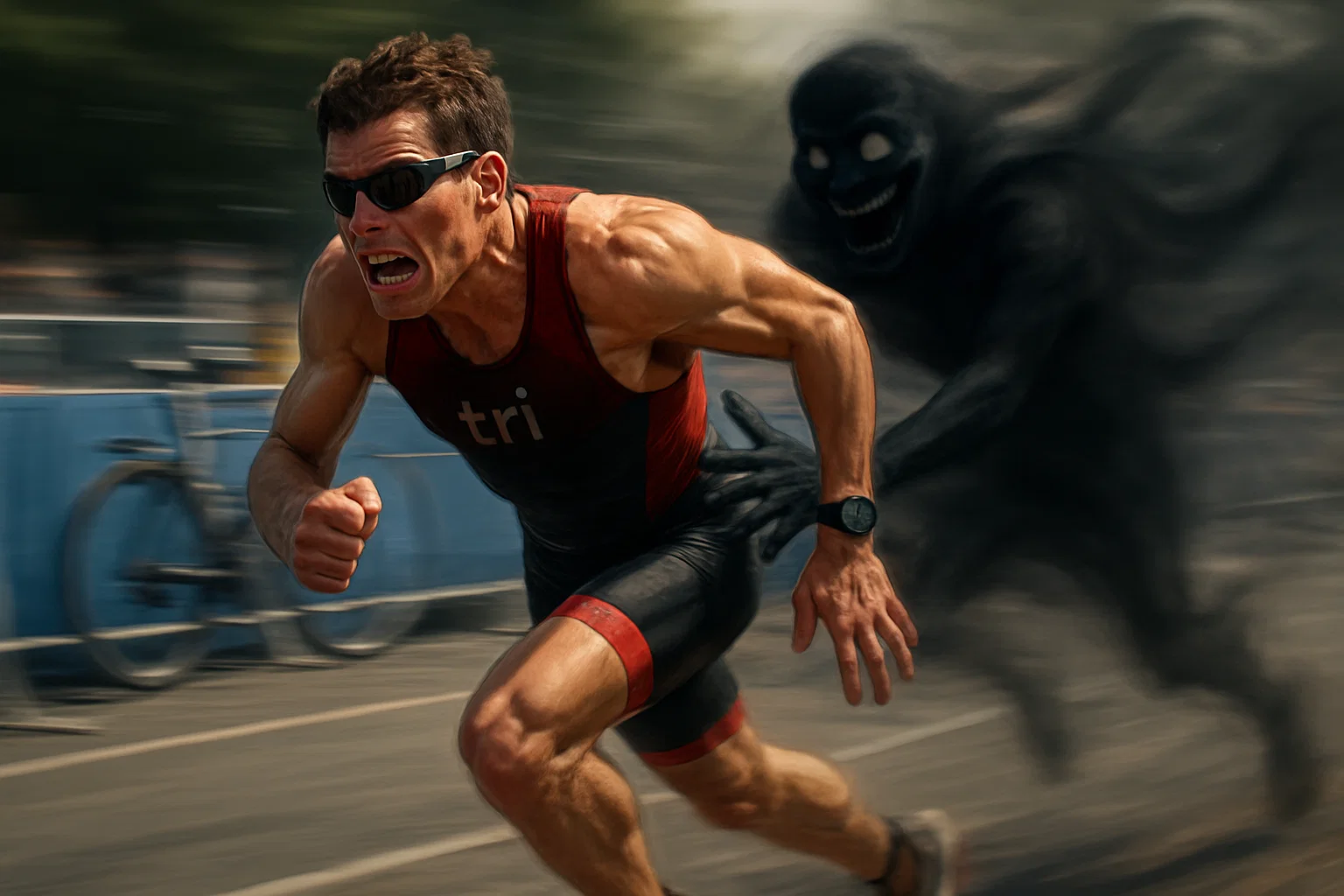
The scene:
Leaving T2, you feel euphoric. Adrenaline sends you sprinting like a rabbit, far faster than your target pace. You feel like a god in the first kilometer. Then the wall hits. Lactate builds up, and for the remaining 9 km, you turn into a “zombie,” dragging yourself to the finish.
The Gopeaks solution – A tactical plan for every step:
We replace blind excitement with smart strategy.
Personalized pacing: Using scientific metrics (FTP, lactate threshold, heart-rate zones), we build a pacing plan just for you.
Negative split run training: Teaching you to run the second half faster than the first—starting controlled and finishing strong.
Mastering technology: You’ll learn to use your GPS watch, running power meter, and heart-rate strap as virtual assistants to stay perfectly on plan.
To race faster, you don’t necessarily need to train more.
Sometimes, you just need to pause, identify the “time thieves,” and start training smarter. At Gopeaks, we don’t just give you workouts—we give you a strategy.