
Prolonged Stress: The Silent Thing That Causes Your Pain and Aches
Have you ever experienced aching shoulders , neck , lower back , or persistent, dull headaches without a clear cause? Even without injury or intense exercise, do you still feel tired and in pain?
Prolonged stress can be a major culprit, and its impact isn't just emotional or psychological; it's a whole-body biological storm affecting the nervous system , endocrine system , and even cellular energy metabolism . This can lead to persistent, unexplained aches and pains.
1. Stress is a systemic biological storm.
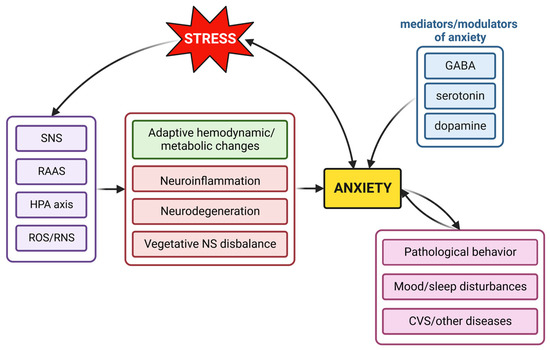
The relationship between stress and the sympathetic nervous system (SNS), the renin-angiotensin-aldosterone system (RAAS), and the hypothalamic-pituitary-adrenal (HPA) axis. Source: MDPI.com
Stress is not just a temporary emotion; it's a complex physiological response of the body. When you experience a stressful event (whether it's work, studies, or life in general), your body automatically triggers a series of biological responses. The sympathetic nervous system (SNS) is activated, putting your body into a "survival" state, ready to cope with the threat.
The Mechanism of Prolonged Stress Creates Pain
When under stress, the body begins to constrict blood vessels to reduce blood supply to parts of the body not essential for survival, while increasing blood flow to the brain and heart. This leads to a lack of oxygen in the muscles of the neck, back, and limbs – where they need oxygen to function effectively.
When muscle tissue doesn't receive enough oxygen, it enters an anaerobic metabolic state – this produces lactic acid and H⁺ ions. This process lowers the pH in muscle tissue, thereby activating pain receptors , causing muscle soreness even without exercise or injury. That's why you might feel tired and sore even without any significant physical activity.
2. Prolonged stress leads to "central sensitization".
When stress continues for an extended period, it not only affects the muscles but also activates the nervous system and alters how the body perceives pain. This occurs due to the overstimulation of the HPA axis (hypothalamic-pituitary-adrenal), leading to increased production of cortisol and norepinephrine hormones in the body. These are hormones involved in the stress response.
When cortisol and norepinephrine levels rise persistently, it activates the sensory neural network in the brain, making these neurons overly sensitive to even the slightest stimuli. This is a phenomenon called Central Sensitization – meaning your nervous system becomes so sensitive that it reacts to every sensation, even non-painful stimuli can be perceived as pain.
With Central Sensitization , you will actually feel pain, but the cause is not muscle tissue damage, but rather your nervous system has become overly sensitive. This is a common condition of prolonged stress, especially in cases of chronic stress or persistent anxiety.
3. Signs of Chronic Stress: Situations You May Encounter
Prolonged stress can manifest in many different ways, not just physical pain. Here are some common signs you might experience when you're under prolonged stress:
Body aches and pains : Especially in the neck, shoulders, lower back, and leg muscles. This feeling can last for days without any apparent reason.
Dull headaches : These persistent headaches are not caused by any underlying medical condition but may be due to stress and anxiety.
Insomnia or poor sleep quality : Prolonged stress makes it difficult to fall asleep or allows for deep sleep, reducing the body's ability to recover.
Feeling tired : Even though you haven't exercised, you still feel tired and lack energy.
Feelings of anxiety or irritability : Prolonged stress reduces your ability to control your emotions, making you more prone to stress or anger.
4. Solutions to Reduce Stress and Improve Pain
To reduce the negative impact of prolonged stress on your body and restore balance in your life, you can take some of the following measures:
1. Pay Attention to Sleep
Sleep plays an extremely important role in the recovery of both body and mind. When you sleep, your body has a chance to reduce stress and recover from the stresses of the day. Ensuring you get enough deep sleep will help reduce stress levels, restore muscles, and alleviate body aches and pains.
2. Develop a habit of exercising.
One of the most effective ways to reduce stress and maintain good health is to engage in your favorite sports. Proper physical activity improves the cardiovascular, respiratory, and musculoskeletal systems, enhances metabolism, boosts immunity, ensures tissues receive sufficient oxygen, and reduces body aches and pains.
Additionally, during exercise, the body releases and regulates hormones such as endorphins, serotonin, and cortisol, which help improve mood.
3. Stress Reduction Therapy
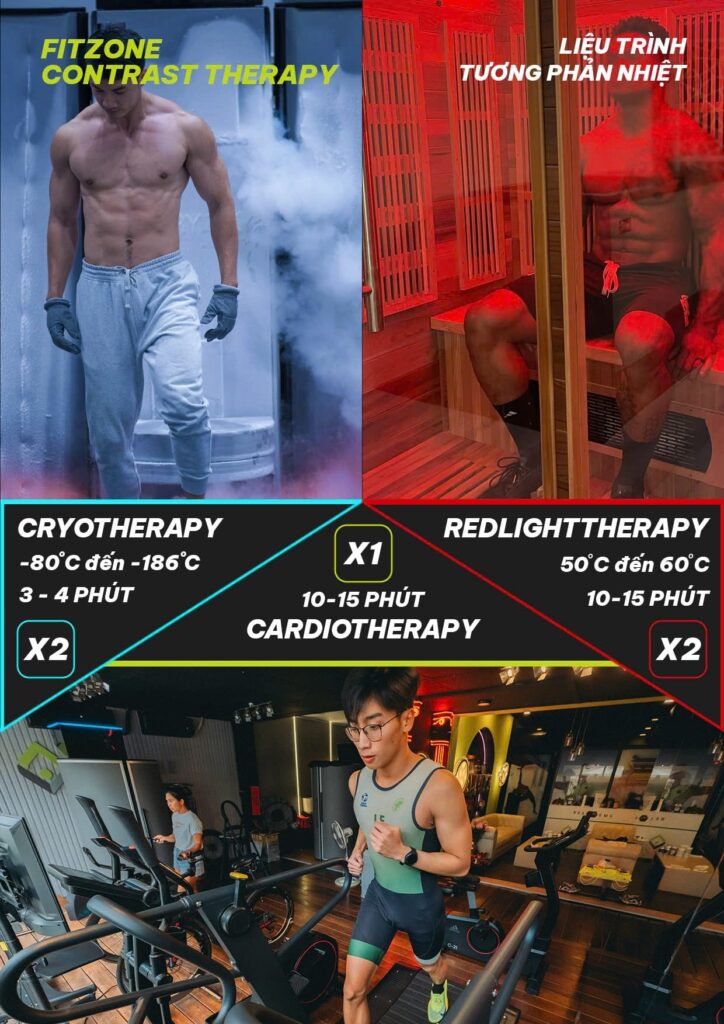
Fitzone Contrast Therapy combines three methods: Cryotherapy (-80°C to -180°C, 3–4 minutes), Red Light Therapy (50°C–60°C, 10–15 minutes), and Cardio (10–15 minutes). This treatment stimulates blood circulation, reduces inflammation, increases metabolism, and accelerates recovery after exercise.
Physical rehabilitation therapies such as massage , cryotherapy , and heat contrast are available . In addition, you can explore mental therapies such as yoga , meditation , or seek counseling from a psychologist to effectively reduce stress. These therapies help relax the body, reduce fatigue, stimulate blood circulation, and create an overall sense of relaxation.
5. Conclusion
Prolonged stress is not just a psychological problem but also a biological factor that can affect the entire body. The aches and pains you experience, especially in the neck, back, and shoulders, can be a consequence of prolonged stress, affecting the nervous system and causing abnormal sensitivity to pain. Understanding this mechanism helps you find effective stress reduction methods such as getting enough sleep, exercising, relaxation therapy, and stress management. When you reduce stress and maintain a healthy lifestyle, you will feel healthier, more relaxed, and your life performance will improve significantly.