
Recovery – A Crucial Factor in the Training Process
Introduction: Why is post-workout recovery more important than you think?
Many people believe that the more you train and push your limits, the faster your body will develop. You might train 5 times a week, push yourself to add one more set, run an extra kilometer, or extend your HIIT session to exhaustion. But the scientific truth shows that muscles don't grow during training, but during rest and recovery .
A common mistake is considering training as the deciding factor, while recovery is merely a "secondary" part. In reality, training is the signal , while recovery is the process of transforming the body . Without proper rest and nutrition, all the effort in the gym can be almost meaningless.
Training is a necessary condition – recovery is the sufficient condition.
The biological mechanisms behind muscle growth
According to research by Damas et al. (2016) , the synthesis of muscle protein (MyoPS) – the foundation for muscle building – only occurs effectively when the body is properly recovering. If the muscles remain severely damaged, the body will prioritize repair over growth. This means that:
If you don't get enough sleep, the neuromuscular recovery process is disrupted.
If you don't eat a balanced diet, your body will lack the materials needed to rebuild muscle fibers.
If you train too much without rest, you'll become overtrained, and your performance will decline.
In other words: training activates the signals, but recovery is what allows those signals to translate into real change in the body.
Sleep – the world's most powerful legal steroid.
Among the factors for post-workout recovery, sleep is considered the number one weapon.
A good night's sleep not only makes you feel more refreshed, but also:
Reset the neuromuscular system.
Increased secretion of growth hormone (GH) – a crucial factor for muscle recovery.
Strengthening motor memory helps you improve your training technique.
What does science say about sleep deprivation?
According to Alhumaid et al. (2025) , sleep deprivation can cause:
A loss of connection between the nervous system and muscles.
Reduced performance during high-intensity endurance training.
Reduced reflexes increase the risk of injury.
Therefore, getting enough sleep (7–9 hours/night) is not a "luxury," but an essential part of post-workout recovery .
Nutrition – the building blocks for muscle recovery.
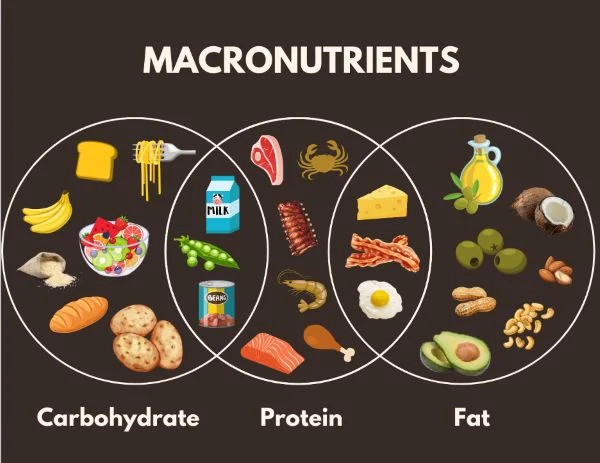
The essential macronutrients necessary for post-workout recovery. Source: apu.apus.edu
Even the most powerful sports car needs quality fuel. The same is true for your body. After each workout, your muscles are torn and need protein to rebuild, carbs to replenish glycogen, and good fats to maintain hormonal balance.
Principles of nutritional recovery:
Protein : approximately 1.6–2.2g/kg body weight/day for optimal MyoPS.
Carbohydrates : adding them after a workout helps restore energy faster.
Water and electrolytes : prevent dehydration and maintain effective muscle contraction.
Foods rich in micronutrients such as zinc, magnesium, and vitamin D support musculoskeletal recovery.
A nutrient-deficient diet can ruin your workout by up to 50%. This doesn't mean you have to meticulously count every food item you put in, but at least don't let your body train in a state of exhaustion. If you consistently feel drained before each workout, you should reconsider your nutrition.
Rehabilitation therapies – Not just for professional athletes
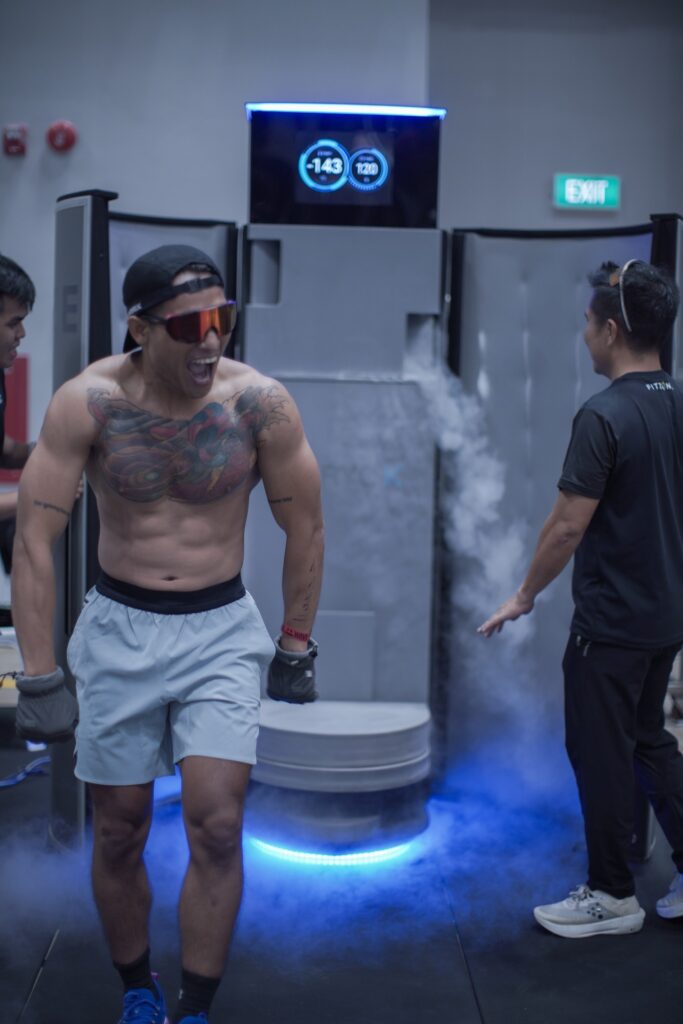
Athletes recover after training using Cryotherapy. Source: Fitzone
In addition to sleep and proper nutrition, top athletes also employ recovery therapies. These therapies generally work by providing controlled stimulation to the body for faster recovery, rather than simply resting. And if you are passionate about sports and want to pursue it long-term, why not take care of and protect your own body?
According to Dupuy et al. (2018) , rehabilitation therapies may include:
– Reduces muscle soreness (DOMS).
– Reduces fatigue after strenuous exercise
. – Increases blood circulation, delivering nutrients to muscles more quickly.
Common rehabilitation therapies:
– Sports massage : relaxes muscles, reduces stiffness.
– Stretching : improves flexibility, reduces injury.
– Alternating hot and cold therapy : balances the sympathetic and parasympathetic nervous systems.
– Cryotherapy or sauna : increases blood circulation, aids in the elimination of metabolic waste.
This is why elite athletes can maintain high training intensity with minimal injury or burnout.
Overtraining – the silent enemy
Many people think that the more they train, the faster they'll see results. But in reality, overtraining leads to:
Chronic fatigue.
Weakened immune system, prone to illness.
Reduced motivation to exercise.
Performance declines, even if you train more.
Signs of overtraining include: insomnia, persistent pain, irritability, decreased strength, and a rapid heartbeat at rest. If you notice these signs, your body is "crying out for help" and needs immediate recovery.
A workout recovery checklist for you.
To turn knowledge into action, here's a recovery checklist you can apply right away:
Get 7-8 hours of sleep each day. If you're doing high-intensity training, you may need more sleep for optimal results.
Eat enough protein and carbs after your workout.
Replenish fluids and electrolytes during training.
Gentle stretching or foam rolling after your workout.
Experience restorative therapies such as: various types of sauna, massage, cryotherapy, hot stone baths, etc.
Monitor your body: if fatigue persists → you need more days off.
Conclusion: Training is only half the battle, recovery is the other half.
The body's development and adaptation don't just come from the sweat during workouts, but also from how you rest, eat, and recover after training . Science has proven that with proper recovery, you not only progress faster but also maintain long-term performance, minimize injuries, and enjoy a sustainable training journey.