
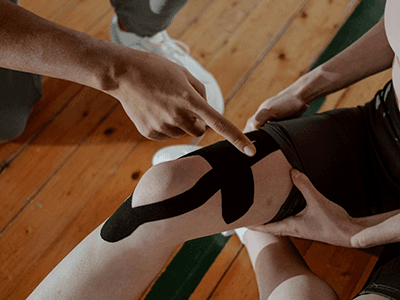
A Scientific Look at the Self-Healing Process and the Body's Physiological Response to Recovery Therapies
After a sports injury, the body doesn't simply "stand still" waiting for treatment; instead, it immediately initiates a complex series of biological responses to repair tissue and recover from the injury.
Understanding these stages not only shortens recovery time but also allows for the application of appropriate supportive therapies at the right time, significantly increasing their effectiveness.
1. The 3-Stage Recovery Process for Sports Injuries
When muscle tissue, tendons, ligaments, or bone are damaged, the body goes through three main stages:
1.1. Inflammatory Phase – 0 to 72 hours
Mechanism: Blood vessels dilate, increasing vascular permeability → leukocytes, cytokines, and enzymes are mobilized to clear damaged tissue.
Role: Initiates repair, prevents infection, removes cellular debris.
Symptoms: Swelling, warmth, redness, pain (the four classic signs of inflammation).
Note: At this stage, inflammation should not be completely eliminated with strong anti-inflammatory drugs, as inflammation signals the start of the healing process.
1.2. Proliferation Phase – 3 to 21 days
Mechanism: Fibroblasts produce type III collagen, and new capillaries are formed (angiogenesis).
Role: Initiates the replacement of damaged tissue with new tissue, creating a temporary bridge.
Symptoms: Reduced swelling and pain, but limited function remains.
Strategy: Increase blood circulation and maintain light exercise to help reorient and align tissues.
Note: This is the stage where you will see symptoms gradually decrease; however, this is also when people often become complacent and resume exercise without controlling the intensity → Acute inflammatory phase recurs and the condition may worsen.
1.3. Remodeling Phase – 3 weeks to several months
Mechanism: Type III collagen is converted into type I collagen, which has higher tensile strength, and the fibers are rearranged to withstand stress.
Role: Restores tissue structure, function, and strength.
Symptoms: Swelling and pain have almost completely subsided, but the tissue remains vulnerable to premature and uncontrolled stress.
2. The Body's Physiological Response to Several Injury Rehabilitation Therapies
2.1. Cold Therapy
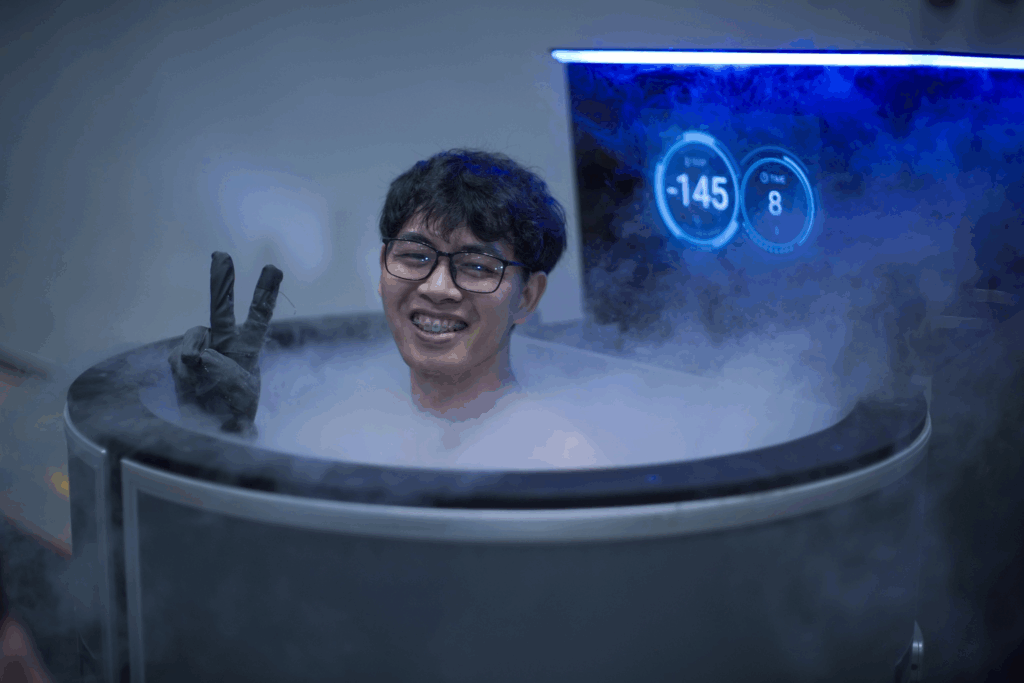
Full-body cryotherapy at Fitzone helps support
muscle recovery and reduce inflammation. Source: Fitzone
Mechanism: Causes vasoconstriction → temporarily reduces blood flow → limits edema.
Role: Reduces the transmission of pain nerve impulses → reduces immediate pain sensation.
Application: Most effective within the first 48–72 hours after injury.
2.2. Heat Therapy
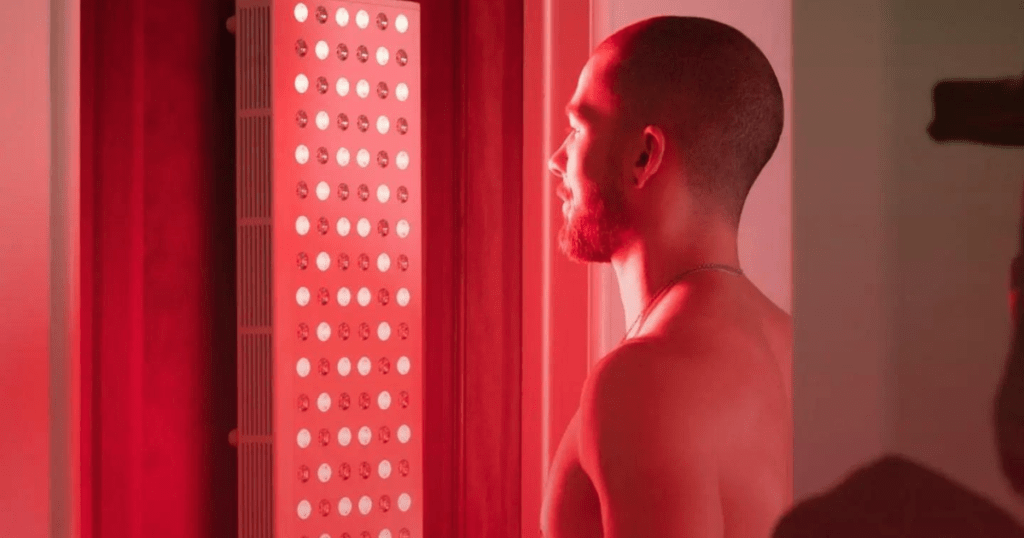
The red light infrared sauna therapy at Fitzone generates heat by introducing infrared waves into the body. Source: Fitzone
Mechanism: Vasodilation → increased blood flow, supplying oxygen and nutrients to tissues.
Applications: Effective in the proliferation and remodeling phases, helping soft tissue regain elasticity and reducing stiffness.
2.3. Sport Massage/Stretching /Trigger Point
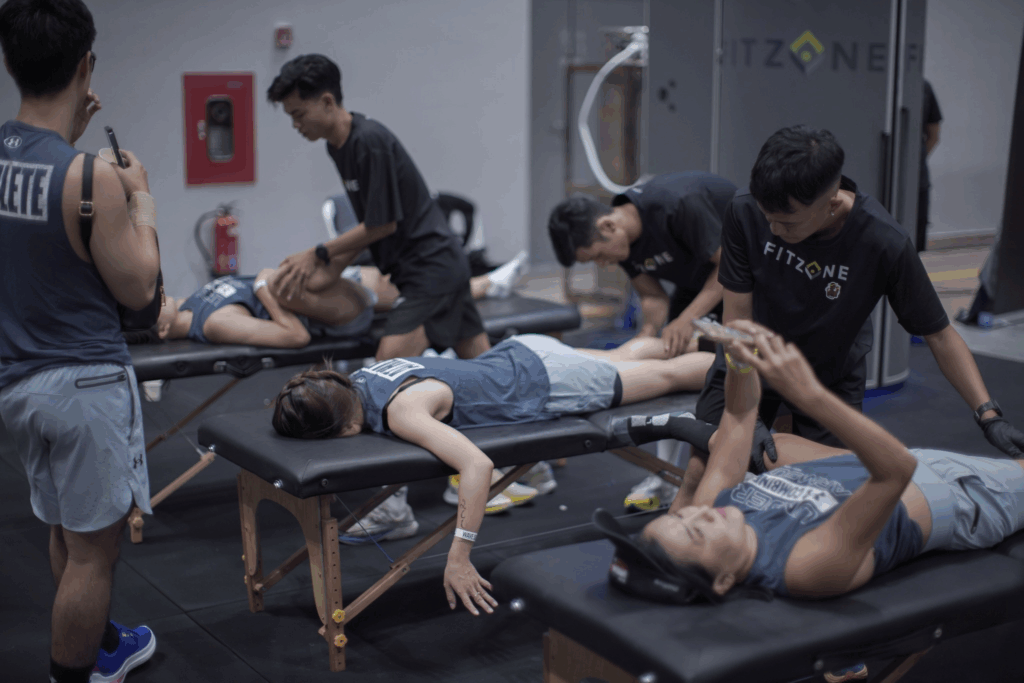
The specialists at Fitzone perform sports massage and stretching to help athletes recover faster. Source: Fitzone
Mechanism: Stimulates blood circulation, increasing the flow of oxygen and nutrients to muscle tissue; reduces stiffness and improves the elasticity of muscles and tendons. This aims to improve limited range of motion → Minimizes performance decline after high-intensity training, as well as prevent injuries.
Applications: Suitable for all stages of recovery, especially useful after high-intensity exercise or when experiencing muscle soreness and stiffness. Helps reduce the risk of recurring injuries and maintain training performance.
2.4. Active Recovery / EMS
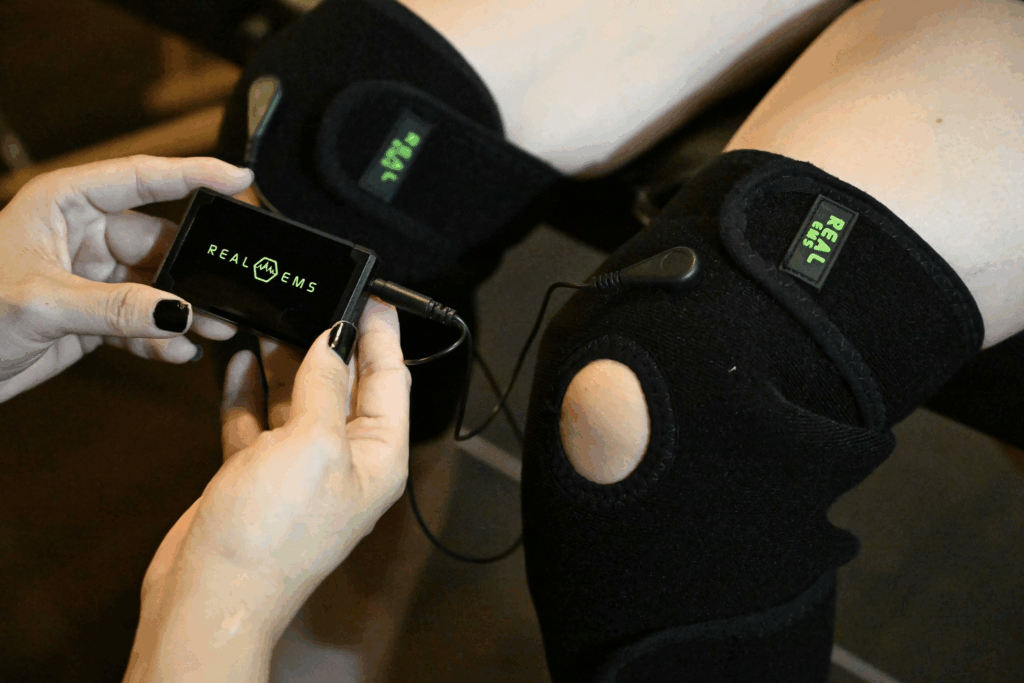
Real EMS helps stimulate muscles, improve circulation, and support knee recovery. Source: RealEmsVietNam
Mechanism: Gentle exercise stimulates the muscle pump, improving circulation, increasing nutrient transport, and removing waste products.
Application: Important in the proliferation and restructuring phases.
3. Principles of combining therapies according to each stage of injury recovery.
Acute inflammatory phase (0–72 hours):
The goal is to control swelling and pain to prevent the injury from spreading. During this phase, prioritize measures such as RICE , cryotherapy , compression bandages , and elevation of the injured limb . These therapies help reduce tissue pressure, limit fluid buildup, and alleviate pain.
Proliferative phase (3–21 days):
Once inflammation has subsided, the focus shifts to increasing blood flow and stimulating tissue regeneration . This is where thermotherapy comes into play, combined with active recovery and red light therapy to promote healing through collagen synthesis and tissue structure restoration.
Reconstruction phase (3 weeks to several months):
The goal is to increase tissue strength and restore full motor function. You can apply rehabilitation exercises , gradually increasing the load according to your weight-bearing capacity, and maintaining active recovery to ensure the new tissue is properly aligned to support weight, reducing the risk of re-injury.
Conclude
Recovery from sports injuries is a combination of the body's natural repair process and timely supportive therapy .
Understanding each stage helps athletes and coaches optimize recovery strategies , shorten recovery time, and reduce the risk of recurrence.