
Gut training for endurance athletes.
Gut training is a nutritional strategy designed to train an athlete's gut to handle high energy intake during endurance competitions. In endurance events such as marathons, road cycling, or triathlons (Ironman 70.3 Phu Quoc, etc.), the ability to efficiently process carbohydrates during exercise is crucial to performance. This article will detail gut training: its definition, importance, scientific basis, research evidence, cyclical practice methods, and long-term benefits for endurance athletes.
What is gut training and why is it important?
Gut training, simply put, is training the digestive system to adapt to the intensity of eating during exercise. Just as we train our muscles and cardiovascular system for competition, our digestive system also needs "training" to function optimally during prolonged physical activity. In endurance sports, athletes often need to consume large amounts of carbohydrates and water for many hours; therefore, an unadapted gut is prone to digestive problems that negatively impact performance.
In reality, the energy demands of endurance sports are very high. Nutritional surveys show that endurance athletes consume significantly more carbohydrates daily than strength or team athletes. However, many do not meet the recommended carbohydrate intake for competition . For example, a 2012 study found that 73% of marathon runners consumed less than 30–60 g of carbs per hour, even though that is only the average recommended intake. This discrepancy is partly due to concerns about digestive upset : many athletes fear that increasing their carbohydrate intake will cause them stomach pain, nausea, or diarrhea during competition.
Digestive problems are common in endurance competitions.
Gastrointestinal (GI) symptoms are very common during endurance competitions. Approximately 50% of endurance athletes regularly experience digestive problems during competition. Symptoms include bloating, gas, stomach cramps, nausea, diarrhea, and even vomiting – especially common in long-distance running, cycling, and triathlon events. This is not just discomfort; it directly impacts performance : GI is considered one of the leading causes of disability (DNF) or underperformance in long-distance races.
The causes of GI problems are diverse and highly individual . However, a key factor is that the digestive system is not prepared for competitive conditions . During high-intensity exercise, blood prioritizes flow to the muscles , reducing blood flow to the intestines, leading to slower digestion. In hot conditions, dehydration exacerbates this situation. As a result, food/drinks accumulate in the stomach causing bloating, or enter the small intestine before being fully absorbed, drawing water into the intestines and causing diarrhea (due to hypertonic drinks). If athletes do not train beforehand with a competition diet , their bodies are easily "shocked" when they first consume large amounts of energy gels, sports drinks, etc., during exercise, leading to the symptoms mentioned above.
Gut training was developed to address this problem . By gradually training the digestive system to adapt to large amounts of food and drink during training, athletes can significantly reduce the risk of digestive disorders during actual competition. In other words, "the stomach and intestines also need to be trained like muscles" – preparing them to work smoothly under competition pressure.
Scientific mechanism: carbohydrate absorption through the intestines.
Understanding the mechanisms of carbohydrate digestion and absorption will help explain why gut training is necessary. When athletes consume carbohydrates (for example, drinking sports drinks or eating energy gels), absorption primarily occurs in the small intestine (duodenum and jejunum). Here, simple sugars (monosaccharides) such as glucose and fructose are transported across the intestinal cell membrane (enterocyte) into the bloodstream by specialized carrier proteins .
Glucose (and galactose) crosses the intestinal membrane via SGLT1 (Sodium-Glucose Transporter 1) channels – these are co-transport channels with sodium ions. This process relies on the Na⁺/K⁺-ATPase pump at the cell basement membrane to maintain the electrochemical gradient.
Fructose is absorbed via GLUT5 channels , which are sodium-independent and fructose-specific.
After entering the intestinal cells, both glucose and fructose are transported into the bloodstream via GLUT2 channels in the basement membrane. GLUT2 channels have a very high transport capacity, so SGLT1 and GLUT5 are the factors that limit the rate of carbohydrate absorption – their number and activity determine how quickly the intestine absorbs sugar.
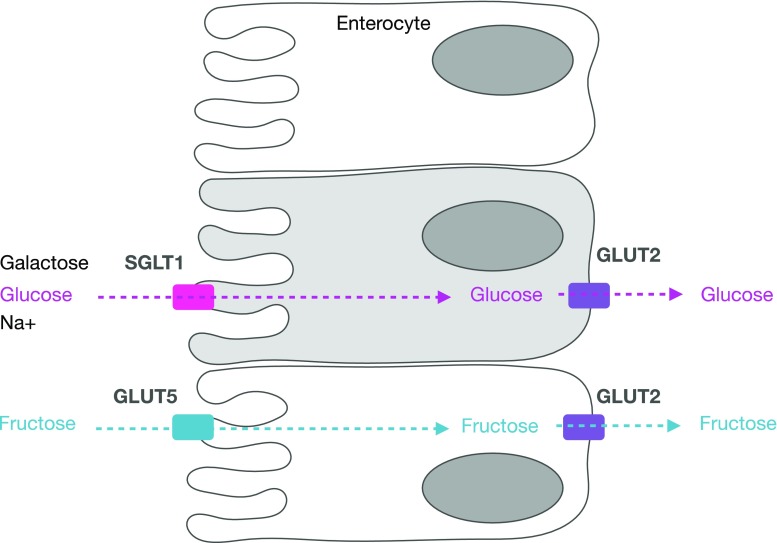
Figure 1: Mechanism of glucose and fructose absorption through small intestinal cells. Glucose uses the carrier SGLT1 (co-transporter with Na⁺) while fructose uses GLUT5 to move from the intestinal lumen (left) into the blood (right). Both then pass through the basement membrane into the blood via the GLUT2 channel.
Carbohydrate absorption limit: In unadapted individuals, the SGLT1 channel can saturate at approximately 60 g of glucose per hour . This means that if only glucose (or maltodextrin converted to glucose) is consumed, exceeding ~60 g/h, the excess will not be absorbed and will accumulate in the intestines – easily leading to diarrhea and abdominal pain. However, if fructose is added , the body can absorb more carbohydrates by utilizing the additional GLUT5 pathway. Studies show that with a "multi-source carbohydrate" mixture (e.g., a gel/coke containing glucose + fructose in a 2:1 ratio), athletes can increase their absorption rate to ~90 g/h or more while still achieving complete oxidation, whereas using only one type of sugar, above 60 g/h, will not increase oxidation and may lead to digestive problems . Figure 2 illustrates the difference: the blue line (multiple carb types) allows for more carb burning as intake increases, while the black line (single carb type) "ceilings" at ~60 g/h and higher amounts will cause GI discomfort.
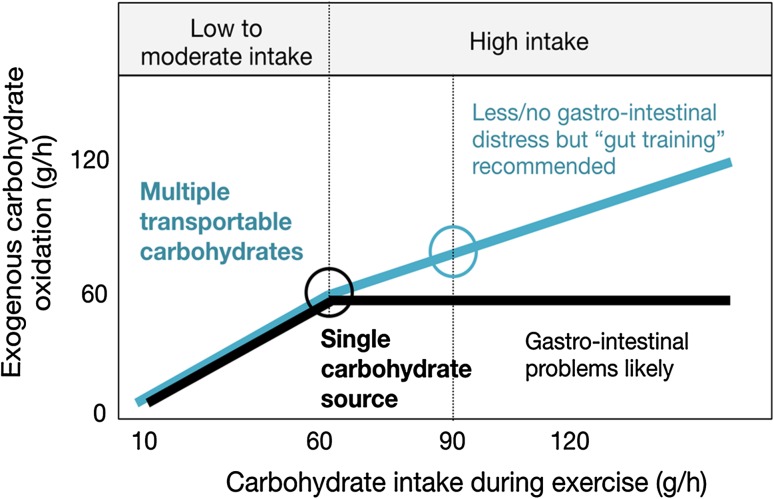
Figure 2: Exogenous carbohydrate oxidation rate (vertical axis, g/min) versus intake (horizontal axis, g/hour) for a single carbohydrate (black line) and a polycarbohydrate (glucose + fructose) (blue line). At intake levels >60 g/h, using only one carbohydrate will not increase oxidation (due to SGLT1 saturation) and can easily cause digestive problems, while combining multiple carbohydrates helps to further increase oxidation to approximately 90 g/h. Note: Even with polycarbohydrates, athletes should still train to acclimatize to this high level before competition.
Clearly, higher oxidation rates can be achieved with the use of a variety of transportable carbohydrates, especially at high intake levels. At intake levels up to 60 g/hour , there is no difference between simple carbohydrates and multiple transport carbohydrates. But when intake exceeds 60 g/hour and sodium-dependent glucose transporter 1 (SGLT1) is saturated, fructose supplementation increases the oxidation rate of exogenous carbohydrates.
The recommended intake levels for simple carbohydrates and various transport carbohydrates are indicated by the circles in the figure. If simple carbohydrate sources are consumed at a rate higher than 60 g/hour, digestive problems are more likely to occur . With various transport carbohydrates, these symptoms are less common, but "gut training" (gradually acclimatizing to higher intake levels) is still recommended.
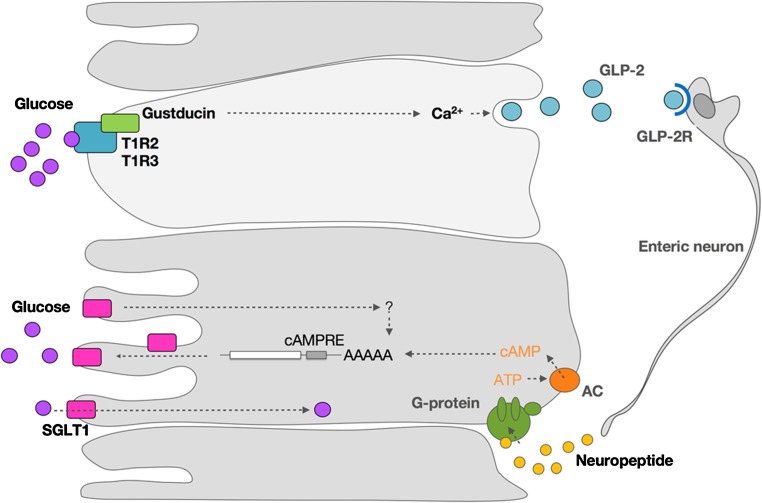
Figure 3. Hypothesized mechanism for upregulation of SGLT1 protein – sodium-dependent glucose transporter.
Sweet taste receptors T1R2 + T1R3 , expressed on the intestinal lining membrane of endocrine cells in the villi, sense glucose concentration in the intestinal lumen. When this glucose concentration reaches a threshold, it triggers a signaling pathway in the endocrine cell involving the T1R2 + T1R3 receptors , gustducin , and other signaling components.
This results in the secretion of GLP-1, GLP-2, and GIP . GLP-2 binds to the GLP-2R receptor on enteric neurons, triggering an action potential. This stimulation is then transmitted to the subepithelial regions via axons, leading to the release of a neuropeptide in the absorbing cells (enterocytes).
When this neuropeptide binds to its receptor, intracellular cAMP levels increase, thereby increasing the stability of SGLT1 mRNA and raising SGLT1 protein levels .
Glossary of terms:
T1R2 + T1R3 : Sweet taste receptors formed from dimers of T1R2 and T1R3 proteins.
AAAA : amino acid chain
AC : adenylate cyclase
cAMP : cyclic AMP
cAMPRE : a factor responsive to cyclic AMP
GIP : Glucose-dependent insulinotropic peptide
GLP : glucagon-like peptide
GLP-2R : GLP-2 receptor
mRNA : messenger RNA
SGLT1 : Sodium-dependent glucose transporter 1
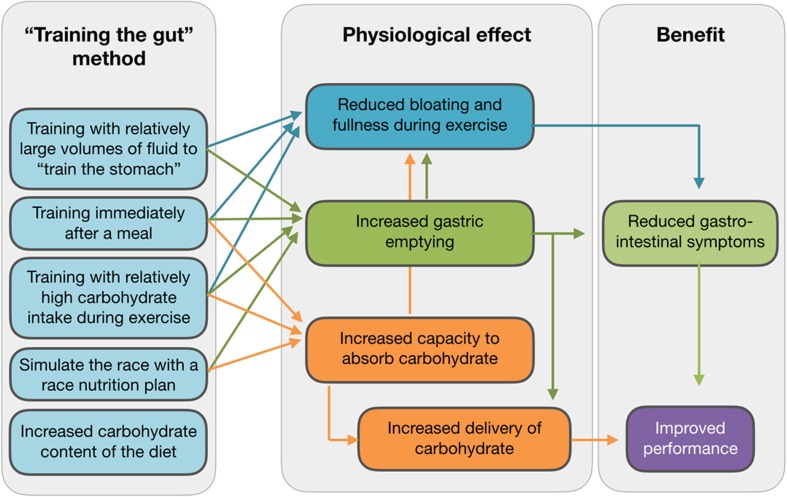
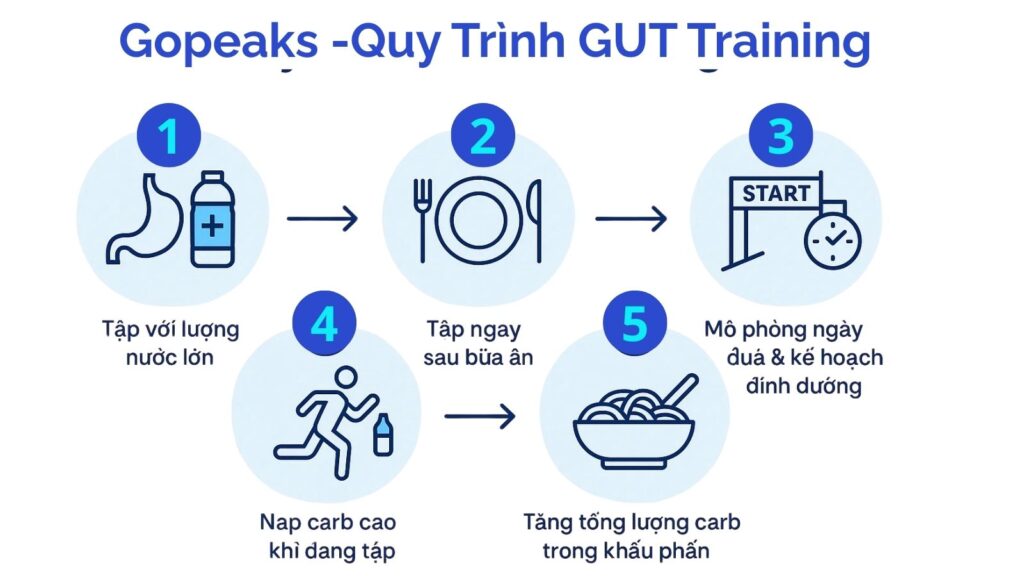
Figure 4. Summary of methods for “training the gut”, possible adaptations in the gut, and implications for athletic performance.
The "gut training" method
Exercise with relatively large amounts of liquid to "train your stomach".
Exercise right after a meal.
Consuming relatively high amounts of carbohydrates during exercise.
Simulate the race with a nutrition plan similar to that of race day.
Increase the carbohydrate content in your diet.
Physiological effects
Reduces bloating and feelings of fullness during exercise.
Increase the rate of gastric emptying.
Increase carbohydrate absorption
Increase carbohydrate transport capacity
Why is gut training necessary? Our bodies have a high capacity for digestive adaptation, but these adaptations are specific to the type of nutrient . If a person rarely consumes many carbs , the transport system and enzymes become accustomed to low levels and become less efficient when suddenly encountering large amounts of carbs. Conversely, eating more carbs regularly stimulates an increase in the number and efficiency of carb-carbohydrate transport proteins in the small intestine. For example, research shows that a high-carb diet (increasing energy from carbs from 40% to 70%) doubles the density of SGLT1 channels in the gut in just two weeks . Similarly, supplementing with 120g of fructose daily for three consecutive days significantly increases the rate of fructose absorption in the gut (though it doesn't significantly affect glucose absorption) – demonstrating gut adaptation to specific sugars .
Furthermore, other elements of the digestive system also adapt when "trained": The stomach can expand and empty faster when accustomed to receiving large amounts of food/drink. For example, Lambert et al. (2008) had runners drink very large amounts of sports water (exactly to compensate for sweat loss) during five 90-minute runs; the result was a significant reduction in bloating from the fourth run onwards – the runners comfortably accepted the large amount of water that had initially caused discomfort. Interestingly, this increased comfort is not necessarily due to faster stomach emptying (measured emptying rate remained constant), but may be due to the stomach expanding and reducing discomfort from fullness. This means the digestive system "learns to" accept more liquid with fewer discomfort signals to the brain.
Increased absorption and transport rate: Research also shows that training the gut to regularly absorb a type of carbohydrate increases the rate of absorption of that carbohydrate . Cunningham et al. (1991) supplemented subjects with 400g of glucose daily for 3 days and found that gastric emptying time decreased significantly compared to normal eating (half-empty time decreased from ~29 minutes to ~21 minutes). Similarly, supplementing with 440g of glucose/day for 4–7 days increased gastric emptying speed with both glucose and fructose drinks (half-empty time decreased significantly compared to before). These adaptations occur very quickly – changes are made within just a few days of a new diet. This implies that the body reacts immediately to a “nutritional challenge” : whichever substance you give the gut to absorb more of, it will prioritize adapting to absorb that substance better .
In summary, gut training is based on the adaptability of the digestive tract . By progressively overloading carbohydrate and water intake during training, athletes stimulate the body to increase enzymes, transporters, blood flow to the gut , etc. All of this helps absorb more nutrients, faster , and reduces the risk of digestive disorders during actual competition.
Scientific evidence for the effectiveness of gut training.
Although the concept of "gut training" is relatively new, more and more research is demonstrating its benefits. Jeukendrup (2017) – a leading expert in sports nutrition – summarized that "nutritional training content" (i.e., training the body to take in nutrients during exercise) can improve gastric emptying and absorption, while reducing the risk and severity of digestive problems , thereby improving endurance performance and giving athletes a better competition experience . He emphasized that the gut is a vital "organ" for endurance athletes and needs to be trained to adapt to competition conditions .
Experimental studies have also yielded promising results:
Improved digestive symptoms: A study by Costa et al. (2023) synthesized eight gut training trials showing that after a training period (4–28 days), the level of exercise-induced intestinal discomfort decreased by an average of 26–47% compared to before. Specifically, with just two weeks of consistent carbohydrate intake during training , indigestion and bloating were reduced by almost half compared to the initial levels. Two studies also reported a 45–54% reduction in carbohydrate malabsorption rates after athletes underwent two weeks of gut training (compared to the control group that did not train). In other words, the gut absorbs more carbohydrates, resulting in less accumulation and diarrhea .
Reduced GIS (gastrointestinal symptoms): Several studies have noted a significant reduction in upper gastrointestinal symptoms (bloating, nausea, diarrhea) in gut training groups compared to control groups. While not all studies are consistent (some reports have inconclusive results), the general trend is that gut training helps athletes feel more comfortable when refueling during competition.
Increased Carbohydrate Oxidation and Performance: Cox et al. (2010) conducted an experiment with cyclists using a concentrated carbohydrate solution during prolonged training. The results showed that the oxidation of exogenous carbohydrates (from the drink) increased after the training period – meaning the body used the ingested carbohydrates more efficiently . Similarly, Smith et al. (2010) hypothesized that regularly training with high carbohydrate intake helps muscles receive more energy from external sources , delaying fatigue. Another study showed improved 5km running performance after 2 weeks of gut training compared to the no-training group (placebo), while digestive symptoms decreased (Ricardo Costa et al., data published at Monash University) – illustrating that gut training can help run faster due to efficient energy intake.
Overall Benefits: Synthesizing the evidence, the 2023 systematic review concluded that, in general, gut training before and during training offers advantages such as reduced gastrointestinal discomfort , improved carbohydrate absorption and GI status, which can ultimately improve endurance performance . While no significant changes in gastric emptying rate or signs of bowel injury (as measured by blood markers) were observed in short-term studies, the positive trends in symptoms and energy are encouraging.
Although the number of studies is limited, most have shown positive or at least no harmful results . There are no reports suggesting that gut training worsens the condition; on the contrary, most athletes improve their tolerance and become more confident with their nutritional strategies. Experts from the International Olympic Committee (IOC) and the Society for Sports Nutrition (ISSN) are also beginning to recommend that athletes practice their nutrition plans during training to avoid surprises during major competitions.
One important point to note: gut training is not about "forcing the body to endure unreasonable conditions ," but rather about gradually and safely adapting the body . If done correctly (gradually increasing the load, listening to the body), athletes will face fewer risks in competition than if they didn't train at all and then suddenly increased the load. This is the greatest meaning of gut training: "Hard training – easy competition" for the digestive system.
A guide to practicing gut training.
When to start? Because digestive adaptations take time, athletes should begin gut training at least 2–4 weeks before competition , ideally 4–8 weeks if possible. This timeframe is sufficient to gradually increase carbohydrate intake to the desired level and allow the digestive system to "rehearse" multiple times . Below is a step-by-step guide to building an effective gut training cycle :
Determine your target carbohydrate intake for competition: Based on race duration and intensity, calculate your hourly carbohydrate needs. Generally, events longer than 2 hours will require 60–90 g of carbs per hour (equivalent to approximately 0.7–1.0 g/kg/hour depending on body weight) for optimal performance. For example, an Ironman 70.3 might aim for 80–90 g/h, while a 3-hour marathon might require 50–60 g/h. Use this as your target for training.
Starting from your current level, gradually increase each week: In the first week, load at a level you feel comfortable with – for example, 30–40 g/h (one 20–25g gel every 30 minutes). Then increase by ~10–15 g/h each week , or as you feel comfortable, gradually progressing towards your goal right before competition week. The principle is not to increase suddenly, causing a "shock," but also not to increase too slowly , preventing you from reaching your goal. Remember, progressive overload applies to the stomach as well: start with a light challenge and gradually increase it .
Training frequency: 1–2 sessions/week simulating competition nutrition: Choose long or high-intensity training sessions (e.g., weekend long runs, 3-4 hour long bike rides, brick sessions for triathletes) to practice fuel loading as if you were racing. At least one session per week , preferably two, to allow the gut to adapt continuously. If there are warm-up races (B-race, C-race) before the main race, consider those as excellent gut training sessions .
Start feeding early in your workout: Don't wait until you're tired to eat/drink. Make it a habit to start consuming carbs 15–20 minutes after your warm-up . This has two benefits: it extends the total time your intestines are working (like a long race), and it helps you get used to the feeling of exercising with food in your stomach . Many people find it strange to eat early, but this is an effective way to allow your stomach to digest food in parallel with exercise .
Use nutritional products you plan to use during the race: Gut training is also a time to test which gels, energy bars, and sports drinks work for you. Use the exact brand and flavor you'll be bringing to the race (or that's available at the relay station). This helps detect early signs of allergies or sensitivities to any ingredients (for example, some people don't tolerate caffeine gels or sorbitol-containing powders). If you haven't decided on a product yet, take advantage of this time to experiment and make your selection .
Simulating real-life race conditions: The closer to race day, the more closely gut training sessions should resemble the actual race environment . This includes: time of day (early morning training if the race starts in the morning), terrain (hills, technical terrain if any), and weather (hot sun, high humidity – often factors that cause digestive stress). For example, if preparing for Ironman 70.3 Phu Quoc , which takes place in a hot and humid climate, try to train with an intake of 80-90 g/h under similar hot conditions . Simulating helps the body become accustomed to the combination of stressors (exercise + heat + nutrition) so that it is not overwhelmed on race day .
Ensure adequate hydration and electrolytes: When consuming a lot of carbs, the need for water also increases to support absorption (avoiding hypertonicity). Make it a habit to drink water regularly alongside eating gels, and supplement with salt (sodium) if you sweat a lot or consume only sugary foods. Dehydration or salt deficiency can hinder carb absorption and cause cramps, so consider hydration as part of gut training. A general rule: for every 60–90g of carbs, you need about 1 liter of water (depending on individual physiology and weather).
Record and listen to your body: During each gut training session, meticulously record what you consumed, how much (grams of carbs, water, caffeine, etc.), and how you felt (good energy, bloating or diarrhea, training performance). This data is invaluable for learning and adjusting : for example , "Last week I drank 2 gel packets + 500ml water/hour and felt a bit bloated; this week I'll try 1 gel + 1 sports drink with 40g carbs/hour ." After a few times, you'll find the pattern that works best for you . At the same time, if you experience serious symptoms (stomach cramps, severe diarrhea), stop the training session , learn from the experience, and reduce your intake rate or switch products next time.
From liquid to solid, from fast to slow: For workouts under 2-3 hours or high-intensity sessions, prioritize fast-acting carbs like gels and sports drinks because they are easily absorbed and less likely to cause bloating. For very long workouts (>3-4 hours) or lower-intensity sessions, you can add solid foods (bananas, energy bars, rice cakes, etc.) to diversify energy sources and avoid feeling satiated by sweet flavors. Training is also an opportunity to learn which solid foods you can eat while running/cycling (some athletes prefer potatoes, honey banana sandwiches, etc.). However, remember to chew thoroughly and drink water with solid foods for easier digestion.
Don't be discouraged if you don't reach your goal immediately: Everyone has a different tolerance limit . If you aim for 90 g/h but after weeks of training you're still only able to handle a maximum of 70 g/h, that's perfectly fine – much better than not training at all and only consuming 30 g/h and then "bonking" at the end of the race. The important thing is to see progress week by week. The success of gut training isn't about achieving or not achieving your goal, but about the improvement in your tolerance and the confidence you gain.
Digestive training vs. competition day nutrition
There's an important point: Gut training isn't exactly the same as how you fuel up on race day , even though the two are closely related. Here's the distinction:
Gastrointestinal training (gut training): This takes place during pre-competition training and is intended to "challenge" the stomach to adapt. During these training sessions, you can intentionally increase your speed or quantity slightly more than usual (within safe limits) to teach your intestines how to process carbohydrates . For example, running lightly for 60 minutes but consuming 50g of carbs even if it's not necessary for that session – the sole purpose is to train digestion. Some athletes also employ a " train high " (carb) strategy alternating with "train low": some sessions involve eating a lot before and during training to train the stomach, followed by fasting sessions (to stimulate other metabolic adaptations). All of these are for long-term benefits , accepting that training sessions may sometimes be less comfortable than usual.
Nutritional practices during a race: the optimal energy strategy on race day . The goal here is no longer a "challenge," but to apply what has been proven effective . You will consume the amount of carbs you've trained for (without exceeding it), use familiar products, follow a set schedule, and prioritize consistency and safety . Race day is not the time to experiment or force your stomach to do something it's never done before – everything should have been rehearsed during training .
In short, gut training is the means, and competition nutrition is the destination . Thanks to gut training, your race day nutrition plan will be implemented smoothly . You'll confidently know that you can drink a gel every 15–20 minutes, drink isotonic solutions instead of water, or eat an energy bar at kilometer 30 without incident – because you 've done it many times during training.
Practical example: A workout with 90g of carbs per hour.
To illustrate, let's say a marathon runner aims to consume 90g of carbs per hour on race day (this is a high level, typically applied to elite athletes or individuals weighing around 75-80kg who want to maximize performance). He plans 4 weeks of gut training and is currently in the final week, having become accustomed to around 75g/h. The following is a description of a key training session with gut training at 90g/h for this athlete:
Before training: He had a light breakfast 3 hours before the run (2 slices of bread with banana and honey, ~60g carbs) to mimic race day breakfast . 15 minutes before starting the run, he drank 200ml of sports drink, providing ~15g carbs – both to rehydrate and to kickstart carbohydrate absorption in his stomach.
During the 2-hour run: After a 10-minute warm-up, he started consuming carbs steadily every 15 minutes . The specific schedule was: every 15 minutes he consumed half a packet of gel (approximately 15g) plus a few sips of water. Thus, per hour he consumed 4 times * 15g = 60g from the gel , plus about 30g from sports drink (he sipped regularly, totaling about 500ml of sports drink per hour). This averaged approximately 90g of carbs per hour. His running pace was maintained at his expected race pace. The weather was quite hot (~30°C), so he made sure to drink plenty of water to avoid dehydration . By the end of the 2-hour run, he had consumed a total of approximately 180g of carbs, and drunk about 1.0 L of sports drink plus 0.5 L of plain water.
Body reaction: During the first half of the run, he felt slightly full due to continuous intake, but experienced no unusual symptoms. At minute 90, he felt a brief bloating sensation ; he slightly reduced his pace, took several deep breaths, and the feeling disappeared after a few minutes. His heart rate was stable, with no signs of stomach pain or nausea. Thanks to being accustomed to this gel intensity from the previous week , his body handled it quite smoothly. Towards the end of the run, he maintained his planned pace and finished feeling energized (not running out of fuel).
After training: He did some light stretching and immediately drank a protein-carb recovery drink. His stomach was perfectly normal, with no diarrhea or cramps. He wrote in his journal: “90g/h – OK , slightly full at minute 90, remember to drink more water sooner. Will apply this strategy for the race.” This successful training session boosted his confidence : knowing he could consume 90g/h for two hours without problems, he was ready to do the same on race day.
The example above shows that, thanks to systematic gut training, athletes have achieved their desired nutritional levels. Of course, everyone is different; some only need 60g/hour, while others need up to 120g/hour. The key is to test beforehand during training so that everything is within the safe, adapted range during competition.
Long-term benefits of gut training
Gut training not only helps in a race , but also offers many long-term benefits for endurance athletes:
Reduce the risk of DNF and unforeseen incidents: As mentioned, digestive issues are the leading cause of athletes having to withdraw from competitions. By strengthening your stomach, you will significantly reduce the risk of having to stop competing due to stomach cramps, vomiting, or diarrhea. Even minor discomforts (heartburn, bloating) will occur less frequently, allowing you to focus entirely on competing instead of worrying about your stomach.
Optimizing performance through higher energy intake: Endurance sports is all about energy – the longer you can sustain your muscles, the greater your advantage. Through gut training, athletes can consume higher amounts of carbohydrates while their bodies can still absorb/oxidize them effectively, rather than being limited. This directly improves performance : faster running in the final stages of a marathon, stronger cycling in the final 30km of an Ironman, etc. Reports show a recent trend of top athletes consuming significantly more carbs (90-120g/h) compared to the previous ~60g/h, and they achieve this through thorough digestive system training .
Increased adaptability to extreme conditions: Gut training is also a form of "beneficial stress" for the body, causing the digestive, nervous, and endocrine systems to learn to coordinate better under pressure (exercise + diet + environment). In the long run, your body becomes more resilient and flexible . For example, an athlete accustomed to drinking 1 liter of water + 3 gel packets per hour at 30°C will experience less shock when competing unexpectedly on a hot day compared to someone who has never tried it.
Improving your mindset and competition strategy: When you 're confident in your nutrition plan (because you've practiced it many times), your mindset on race day will be more stable. You'll no longer worry about "Will this cause stomach pain?" , instead you can focus on your competitors and speed. Additionally, gut training helps you understand your limits , allowing you to develop a suitable strategy : knowing your maximum intake is 80g/hour, you shouldn't try to reach 100g/hour and risk failure; or if you know you'll start feeling full after 4 gels, prepare an alternative (drink electrolyte water, eat a banana, for example).
A more positive competition experience: Achievements are important, but for amateur racers, having a fun, healthy race is also invaluable. Gut training helps you enjoy the race more because your body feels comfortable, without having to stop at the restroom along the way or grimace from stomach pain. As Jeukendrup says, a well-prepared digestive system will provide a much better competition experience for athletes .
Conclude
“Success in endurance sports isn't just about your legs and lungs, but also… your stomach.” Gut training is a crucial piece in an athlete's preparation journey, alongside physical training and strategy. Scientific evidence and practical experience confirm that the gut can be trained – and we should take advantage of this to compete more safely and effectively. Start training your digestive system in your next training sessions, patiently increasing the challenge, and you'll see the difference as you approach the starting line for your target competition. A well-adapted digestive system is your “silent teammate” in conquering the finish line . We wish you success in your gut training and enjoyable competition experiences!
References:
Jeukendrup AE. Training the Gut for Athletes . Sports Medicine (2017) – An overview of the adaptability of the digestive system to training and nutrition, recommending “gut training” to improve endurance performance gssiweb.org pubmed.ncbi.nlm.nih.gov .
Costa RJS et al. Effect of Gut-Training and Feeding-Challenge on GI function in endurance exercise: A systematic review . Sports Medicine (2023) – Analysis of eight studies on gut training concluded a ~47% reduction in gastrointestinal discomfort, a ~50% reduction in carbohydrate malabsorption, improved GI symptoms, and benefits for performance. pubmed.ncbi.nlm.nih.gov pubmed.ncbi.nlm.nih.gov .
Lambert EV et al. (2008) – Study of runners consuming large amounts of water over 5 running sessions; results showed significant improvement in stomach comfort after several training sessions, demonstrating that the stomach can adapt to large volumes gssiweb.org .
Cox GR et al. (2010) – A 2-hour cycling experiment with a concentrated carbohydrate solution showed increased exogenous carbohydrate oxidation after the acclimatization phase , supporting the benefits of gut training gssiweb.org .
Wardenaar F. et al. Macronutrient Intakes in 553 Dutch Elite and Sub-Elite Athletes (Nutrients, 2017) – A study of the diets of 553 athletes showed that endurance athletes consume significantly more carbohydrates than athletes in other sports, reflecting the high energy demands of endurance. pmc.ncbi.nlm.nih.gov pmc.ncbi.nlm.nih.gov .
Precision Hydration (Andy Blow). How to train your gut (and consume more carbs) – A practical guide to gut training for athletes, emphasizing starting 6-8 weeks before competition, gradually increasing carbs, simulating competition conditions, and other principles. precisionhydration.com precisionhydration.com .
Gatorade Sports Science Institute (Jeukendrup, 2017). Training the Gut for Athletes (Sports Science Exchange #178) – Popular science article on gut training, describing studies: increased SGLT1 through high-carb diet , adaptation to empty stomach after 3-7 days of high-glucose/fructose diet , etc. gssiweb.org gssiweb.org .
de Oliveira EP & Burini RC (2014). GI symptoms in endurance sports: overview . Curr Opin Clin Nutr Metab Care – Statistics show that ~50% of endurance athletes experience gastrointestinal symptoms during competition, causes and prevention (cited in SSE #178) gssiweb.org .
Monash University, 2017 – Press release “Training the gut to cope with exercise enhances performance” (Ricardo Costa et al.) – Summary of research showing that 2 weeks of gut training helps runners improve finish times and reduce GI symptoms , recommending individualized application.
Burke LM et al. (2019). Carbohydrates for training and competition . Journal of Sports Sciences – A review of the role of carbs, discussing the “train low, compete high” strategy and the importance of pre-competition carb intake training.