
Nutrition & Hydration: Conquering the Can Gio Enduro Trifactor 2025 – Part 2
The Trifactor Vietnam Enduro race (2.25km swim – 80km bike ride – 20km run) in Can Gio is not just a test of endurance; it's a strategic game of chess, taking into account environmental factors and race limitations. A smart nutrition and hydration plan will not only help you reach the finish line, it will determine whether you finish strong or just crawl across it.
Based on a thorough analysis of the Race Guide, race regulations, and sports science principles, this is the most detailed guide to help you master your nutrition on race day.
1. The Race Context & The Golden Rule
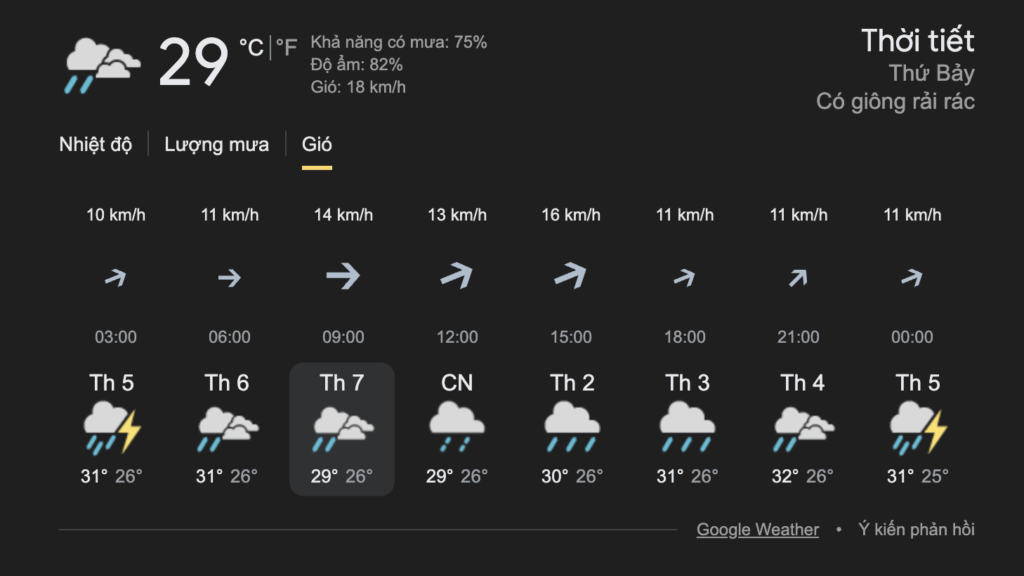
Weather forecast: Cloudy, with a high probability of rain between 9am and 11am, followed by hotter and more humid conditions (27-30°C). This requires a flexible plan that can be adjusted to the actual situation.
BTC infrastructure:
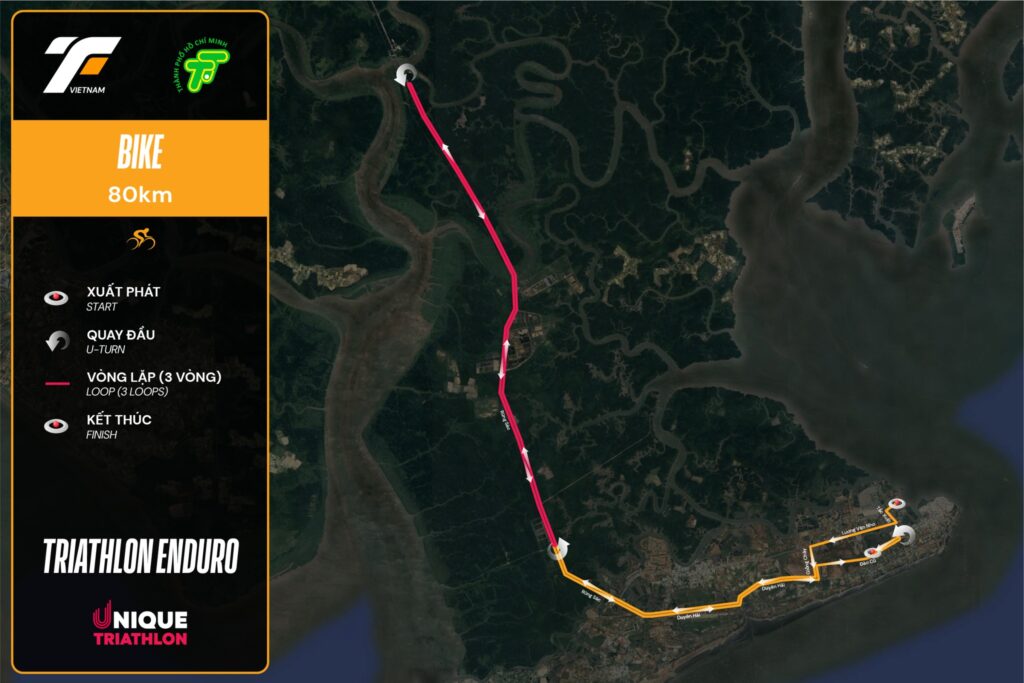
Cycling: There is only one water station after the furthest U-turn point, and you will pass it 3 times.
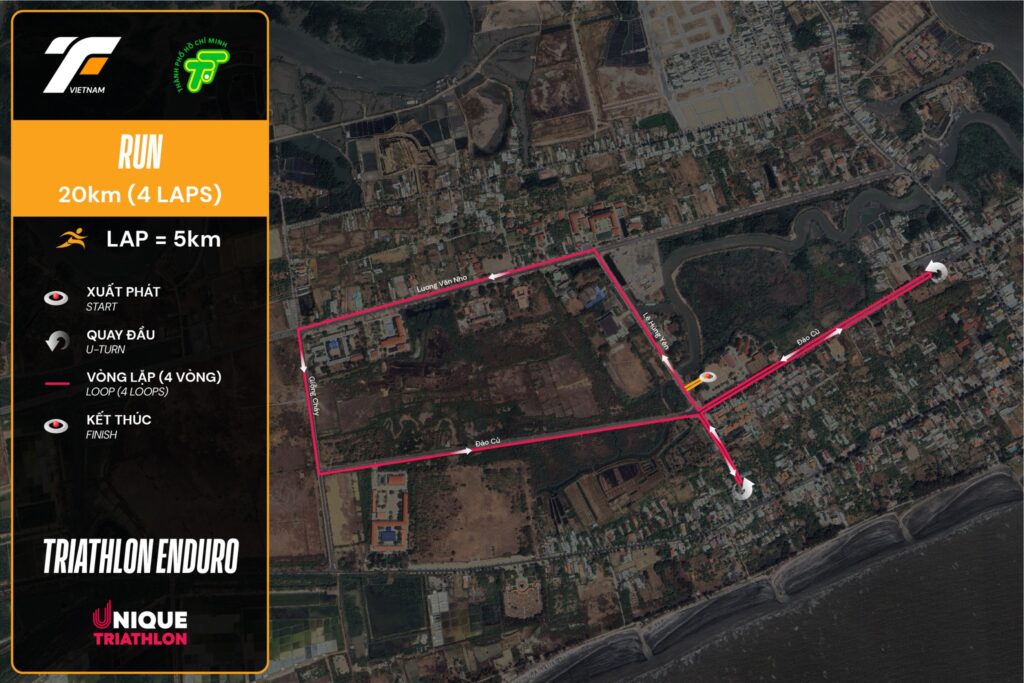
Running: There are 3 water stations , the first station is about 200m from T2, and the subsequent stations are approximately 1.6km apart.
Littering rules: Littering outside the “Litter Zone” (250m for cycling, 160m for running) will result in a Green Card penalty (+2 minutes) for the Enduro distance.
Scientific principles:
Personalization is King: The plan below is a framework. You need to adjust it based on your own sweat rate .
Drink according to a plan: Don't wait until you're thirsty. Feeling thirsty is a signal that performance has already started to decline.
Always drink water with the gel: Gels are hypertonic solutions, requiring water for effective absorption and to avoid stomach discomfort.
2. Detailed Action Plan for Each Stage
2.1. Pre-Start & Swimming Stage (2.25 km)
2-3 hours before departure (around 2:45 AM):
Breakfast: Consume 2-3g of carbohydrates per kg of body weight. Prioritize familiar foods such as white bread with jam or honey, plain sticky rice, or thin rice porridge . Avoid fats and high-fiber foods.
Rehydration: Slowly drink 500-600ml of a dilute (hypotonic) electrolyte solution.
30 minutes before departure:
Mix 1 packet of gel (20-25g carbs) with 200-250ml of filtered water.
Note the time: Wake up and get ready early. You need enough time to eat breakfast, digest, and complete the 14-minute Gopeaks warm-up . Immediately after warming up, you will have time for one last restroom break before heading to the starting line.
While swimming & at T1:
Focus on the race, no need to refuel.
At T1, you can prepare a small bottle of water for a quick rinse before immediately moving on to the cycling leg.
2.2. 80 km Cycling Stage (Non-drafting)
This is the most strategically important stage in terms of nutrition due to the very limited supply infrastructure.
Hourly target:
Water: 500–750 ml/hour (adjust according to weather scenario).
Sodium (Na⁺): 500–900 mg/hour.
Carbohydrate (Carbs): 50–70 g/hour for beginners or 60–90 g/hour for experienced GUT users (total from drinks and gels).
Vehicle setup strategy (leaving T1):
Flask A (750ml): Prepare an isotonic solution containing approximately 50g of carbohydrates and approximately 500mg of sodium.
Bottle B (750ml): Contains filtered water + 1 electrolyte tablet (300–500mg Sodium).
Sample delivery schedule:
Drink: Every 10-15 minutes, take a few large sips (~100-150ml).
Eating: Consume 1 gel packet (25-30g carbs) every 40-45 minutes, always drinking water from Bottle B with it.
At the Organizing Committee's water station (passed 3 times):
Slow down, observe carefully, and hold on tight to safely receive the water bottle. If you're not confident, stop completely.
Rules: Absolutely only litter within the 250-meter "Litter Zone" to avoid an unnecessary 2-minute fine.
2.3. 20 km Run (4 loops, 3 water stations/loop )
The infrastructure is better, but the body is tired. This is where micro-strategies come into play.
Hourly target:
Water: 400–700 ml/hour.
Sodium (Na⁺): 400–800 mg/hour.
Carbohydrate (Carbs): 40–50 g/hour (primarily from gels) for beginners and 60 g/hour for experienced GUT users.
Tactics at the FRC (Functional Reserve Capacity) Water Replenishment and Recovery Station:
Why walk? When you run at high intensity, you're constantly depleting your anaerobic fuel cell (FRC). A decisive 10-15 second walk past a water station not only helps you drink and cool down more effectively, but it's also a golden opportunity for your energy system to partially replenish its FRC , helping you maintain a better pace on the next leg of the race. This is a strategy my student, Niklas, has used with great success at Challenge Roth.
Perform:
Be proactive and walk as soon as you enter the station.
Follow the 2-cup procedure: Cup 1: Plain water (drink, cool), Cup 2: Electrolyte water (drink completely).
Get off the train and gradually regain your running rhythm.
Gel refill schedule: Use 1 gel packet every 35-50 minutes, ideally right before entering the station so that there is water to drink along with it.
Litter discipline: Remember that the litter zone on the race track is only 160m long.
3. Weather Scenarios & Adjustment Plans
Scenario A – Rain between 9-11 am, then stopping and becoming humid (high probability):
Cycling (first hour): Reduce water intake to 500–650 ml/hour, but maintain sodium levels.
Pumping (after the rain stops): Increase the water flow to 650–800 ml/hour.
Run: Stick to default settings, increasing cooling at stations if the weather is hot and humid.
Scenario B – Prolonged rain, cool weather:
Reduce fluid intake in both stages (Cycling: 500–650 ml/h, Running: 400–550 ml/h) but maintain adequate carbohydrate and sodium intake.
4. The Golden 60 Minutes After the Finish Line
The recovery process begins the moment you stop.
Rehydration: Drink 1.0–1.2 liters of water for every kilogram of weight lost.
Energy and Protein Supplementation: Consume 60–90g of carbohydrates and 20–30g of protein.
Electrolyte replacement: Supplement with an additional 500–700 mg of sodium.
5. Checklist of Essential Items to Bring
Use: 3–4 gels, 2 bottles of 750ml pre-mixed solution.
Running: Use 2–3 gels depending on whether you are a beginner or experienced, along with nutrition and sodium tablets. Remember to keep the gels and empty containers inside your trisuit.
With this detailed plan, you now have a clear and scientific nutritional roadmap. Practice it during your final brick training sessions to allow your body to adjust. Good luck with your race!
Part 1: If you missed it, read it here